
Summary
An office of 50 people consumes 40–60 large water bottles a month on average. That means transport, storage, tracking empty bottles and a hygiene question with every delivery.
Cost
| Bottled water | Dispenser with purification (RO/UF) | |
|---|---|---|
| Cost of water | Price per bottle × number of bottles | Mains water (negligible per litre) |
| Fixed cost | Dispenser rental | Purchase or rental of the unit |
| Maintenance | — | Filters every 6 months, UV/membrane check once a year |
| Payback | — | Usually 8–14 months |
Hygiene and quality
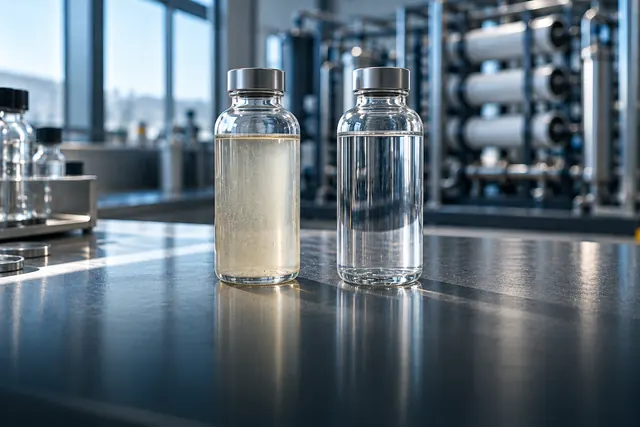
With bottled water, the risk lies in transport, storage and the dispenser reservoir; with a dispenser with purification, the mains water is purified on demand, and there is no reservoir or it is protected with UV. RO models lower TDS and remineralise the water; UF models provide microbiological safety while retaining minerals.
When does bottled water make sense?
Construction sites without mains water, offices with very low consumption and temporary locations. In every other case, especially in schools and factories, water dispensers with purification are both more economical and more hygienic.