
How do Filtration Systems work?
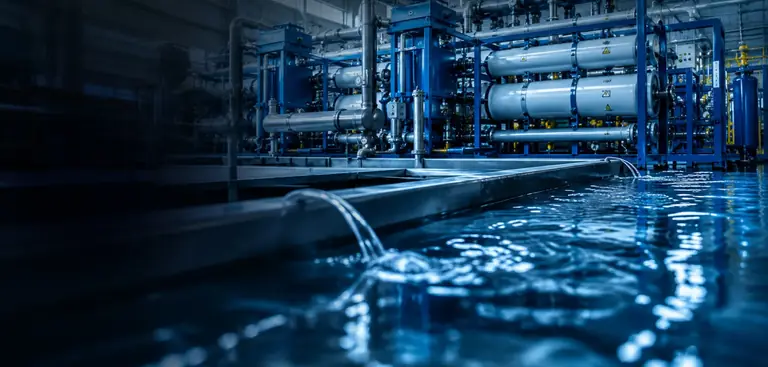
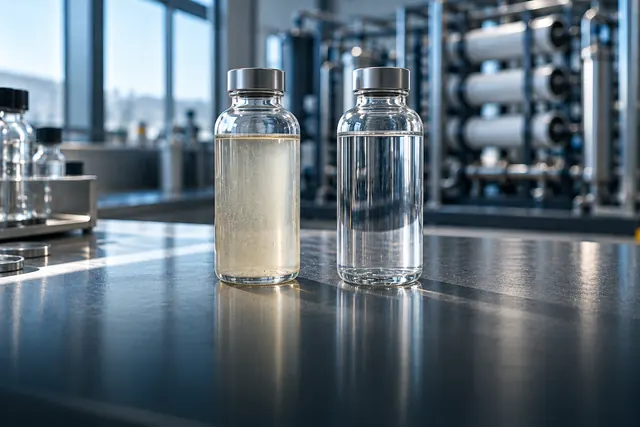
Undissolved suspended solids in water (sediment, sand, silt) make it turbid. Our filtration systems stop this contamination at the source and protect all the equipment downstream. The sand filtration unit cleans itself by automatic backwashing, with no manual intervention.
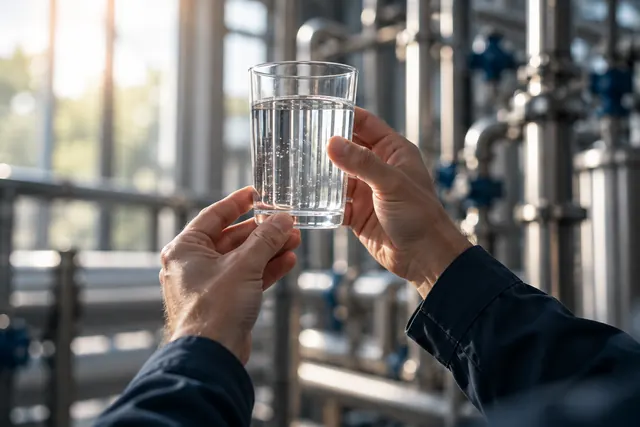
Thanks to its adsorption capacity, the activated carbon unit removes turbidity, colour, odour, taste, chlorine and chlorine compounds, detergents and substances such as asbestos from the water. Specially activated media are used to remove iron, manganese and arsenic, with the filtration rate kept at 10 m/h or below. Low-pH product water is remineralised by passing it through a dolomite unit.
Tank shells are selected in pressure-resistant composite or epoxy-coated steel; control valves can be configured as manual, time-controlled or fully automatic. Used as pretreatment ahead of reverse osmosis and softening units, the system markedly extends membrane and resin life. It is widely applied in hotels, hospitals, food plants and housing projects.
Its place in the treatment line
- Stage 1Filtration
- Stage 2Softening
- Stage 3Reverse osmosis / UF
- Stage 4Disinfection