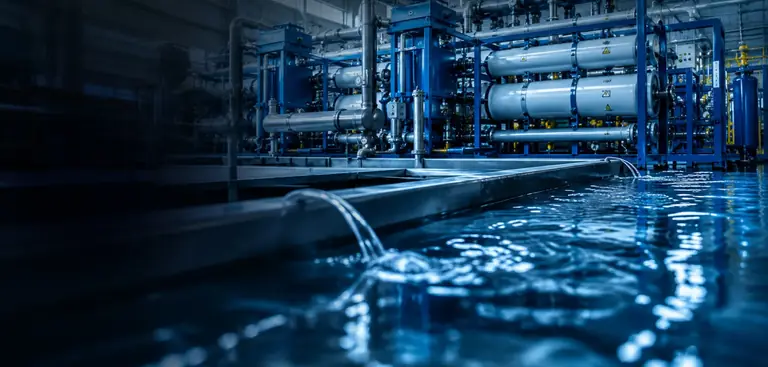
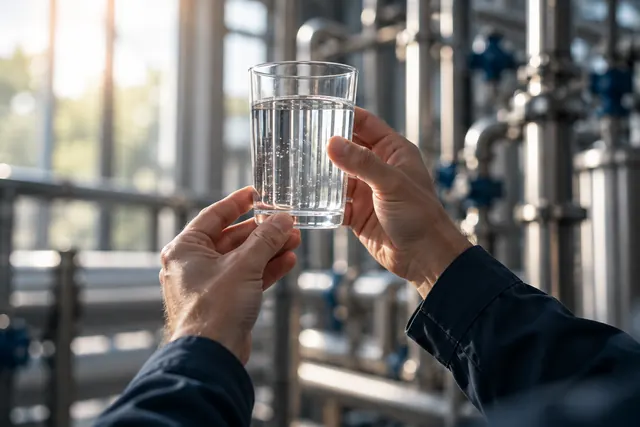
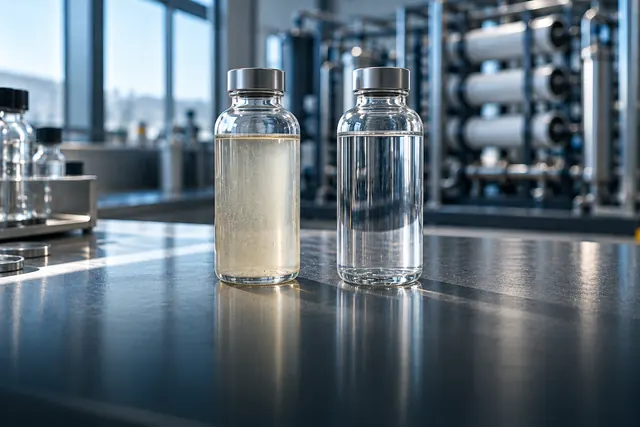

Rising water costs and the risk of drought are pushing businesses to recover their wastewater. Especially in water-intensive sectors such as textiles, food and chemicals, the mains water bill becomes a more visible item in total operating costs every year. A correctly designed recovery line significantly reduces this consumption.
The first step in recovery projects is always source segregation. Process water, cooling tower blowdown, wash water and domestic-type wastewater have different contamination profiles; collecting them all in a single line unnecessarily raises the cost of treatment. Collecting the high-flow, low-load streams separately is the most critical decision for shortening the payback period of the system.
The choice of technology is also based on this analysis. In streams dominated by suspended solids and organic load, ultrafiltration is often sufficient, while a reverse osmosis stage comes into play if conductivity and salinity are a problem. Correctly sizing the pretreatment ahead of the membranes directly determines membrane life.
When evaluating a recovery investment, looking only at the initial capital cost is misleading. Energy consumption, chemical usage, membrane replacement intervals and the cost of disposing of the reject concentrate must be calculated together. At Today Arıtım, we analyse the water first on every project, then work out a payback table specific to the facility together with the client.